◇ Depends on the scene Lucky or not depending on the scene — see "In this scene" below
Straying into a tengu's hidden village: a wish to escape daily life or gain special wisdom. Finding the way home is lucky.
Category: Japanese yokai (how to read this category)
Psychology
Wandering into an unknown village reflects wanting to step away and rest where no one can find you. Being taught there suggests a wish to grow or gain special skills. Strong fear of not returning may mean your ties to daily life are thinning.
Folklore and history
Across Japan, those lost in the mountains were said to be taken by tengu, and some who returned told of flying to far lands or training in the hills. In the late Edo period the scholar Hirata Atsutane recorded a boy's account of living among tengu.
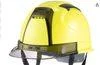
Head protection for exploring a ruin or old-building-type spot.
TOYO Ventilated Helmet 'Venti' No.390F-OTSS, Lime
We may earn a referral fee on purchases made through these links.
This site's view
In this site's view, the hidden village reflects both longing for elsewhere and its price. Enjoying it means unused talents sleep in you; being held back by its people means the urge to flee reality has grown too strong. Whether you remembered the way home decides the omen.
Going deeper: our reading
Tengu are usually shown in the garb of yamabushi, the mountain ascetics, holding a feathered fan. Strange mountain sounds have also been blamed on them: the crash of a falling tree when nothing has fallen, or laughter echoing from nowhere. In this site's reading, what you did in the village is a clue. Throwing yourself into harsh training suggests a wish to forge yourself anew and aim higher. Flying with a tengu reflects a longing to break free of daily routine and view things from above. Being feasted by the villagers may mean your fatigue is near its limit and you long to rest somewhere far away. Hearing only strange sounds in the mountains shows you are listening for hunches not yet formed. This is our speculation, but coming home with a feathered fan means it is time to use what you gained from an extraordinary experience in everyday life.
What to do on waking
Schedule a short escape from routine with a set time to return. A walk or a café alone restores you when the way back is clear.
In this scene
- ◎Good It helps you or gives treasure: like the zashiki-warashi, luck is coming (good)
- ▲Warn Tricked or taken: a hidden trap, or words to doubt (warning)
- Seeing what it really is: a fear becomes clear and fades
- It felt good: the lucky reading gets stronger
- ▲Warn It felt frightening or painful: the warning reading gets stronger — rest first
- The same dream again and again: something your mind has not settled yet
Turning a bad dream
In Japan, people once tried to turn a worrying dream for the better: a baku charm under the pillow, telling the dream to a nandina bush, or reciting an old dream-turning poem. Read the column on dream trading and dream-turning
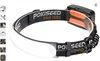
A headlamp bright enough at 1,500 lumens, with a 230° wide beam, to see deep into a dark ruin. IPX6 waterproof and lightweight, it suits a long exploration.
POKISEED LED Headlamp, Rechargeable, 1500 Lumens, Ultra-Bright, 230 Degree Wide Beam, 3 Modes, IPX6 Waterproof, Lightweight, with Tail Light & Clip, Helmet-Compatible
We may earn a referral fee on purchases made through these links.
FAQ
Q. Is dreaming of the Tengu's Hidden Village a good or bad sign?
A. Lucky or not depending on the scene — see "In this scene" below. Straying into a tengu's hidden village: a wish to escape daily life or gain special wisdom. Finding the way home is lucky.
Q. Why do I keep dreaming of the Tengu's Hidden Village?
A. A recurring dream usually points to something your mind has not settled yet. Research suggests such dreams tend to stop once the underlying worry is resolved. Keeping a dream diary helps you notice what triggers it.
Q. What should I do after dreaming of the Tengu's Hidden Village?
A. Schedule a short escape from routine with a set time to return. A walk or a café alone restores you when the way back is clear.
Related dream essays
- True Dreams and Reverse Dreams: Why We Read Dreams Backwards
- Buying Dreams, Turning Dreams: A Japanese History of Dream Trading and Dream Charms
Read this dream with your own scene in the Dream Dictionary →
More dreams in "Japanese yokai"
- Yamabiko (The Mountain Echo)
- Iso-onna (The Shore Woman)
- Tomokazuki (The Twin Diver)
- Futakuchi-onna (The Two-Mouthed Woman)
- Mikoshi-nyudo (The Looming Giant)
- A Shapeshifting Tanuki
- Three Eyes
- A Demon Woman
- Being Chased by a Tanuki
- A Dead Tanuki
- Catching a Tanuki
- A Tanuki Entering Your House
※ Dream interpretation here is entertainment drawing on psychology and folklore — it is not scientifically proven. "This site's view" is our own interpretation.
