▽ May be a reverse dream Often read as a reverse dream: reality turns the other way
As a reverse dream luck will rise; or a nudge to be careful.
Category: Lucky dreams (how to read this category)
Psychology
Drawing bad luck mirrors worry about what lies ahead, yet experiencing the worst in a dream may prepare you for real setbacks. Whether you were upset or shrugged it off shows how much slack you have.
Folklore and history
Tying a bad-luck slip at the shrine is said to leave misfortune in the gods' keeping. Many also say "it can only get better from here". Dream lore may read it as a reverse dream of improving luck.
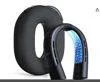
A Peltier-cooled neck device that lowers heatstroke risk from protective gear or long sleeves during summer ruin exploration or a haunted-spot tour under blazing sun. It cools your neck directly and instantly, giving a stronger sense of cool than a fan-blade handheld fan, and suits long outdoor location shoots.
TORRAS COOLiFY 2S Neck Cooler, Cooling Plate, Wearable Fan, Peltier, 28-Hour Battery Life
We may earn a referral fee on purchases made through these links.
This site's view
In this site's view, what you did with the slip matters. Tying it means you can release worry; clutching it home shows a habit of carrying worries alone. Any warning you remember is a walking stick from your unconscious.
Going deeper: our reading
When you draw bad luck at a shrine, what stings first is often not misfortune itself but the lonely feeling that you alone drew the losing slip. In this site's reading, this dream comes to people who feel they are falling behind or failing while everyone else does fine. If a friend or relative beside you drew great blessing while you drew bad luck, that habit of comparison is the real source of your pain. If you drew it alone with no one watching, your fear of others seeing you fail is growing. If you showed the slip to someone and laughed together, that person can hold your weaknesses. Omikuji were meant to guide, not to fix the future. This is our speculation, but the dream may be a small rehearsal proving you will be all right.
What to do on waking
Write down one worry and one precaution you can take today, then put the note away.
In this scene
- It felt good: the lucky reading gets stronger
- ▲Warn It felt frightening or painful: the warning reading gets stronger — rest first
- The same dream again and again: something your mind has not settled yet
Turning a bad dream
In Japan, people once tried to turn a worrying dream for the better: a baku charm under the pillow, telling the dream to a nandina bush, or reciting an old dream-turning poem. Read the column on dream trading and dream-turning
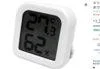
A palm-sized, battery-powered digital thermo-hygrometer — record the indoor temperature and humidity while reporting at a ruin or haunted spot, adding an objective number alongside a note like "it suddenly felt colder."
dretec Digital Thermo-Hygrometer 'Corone' White O-415WT
We may earn a referral fee on purchases made through these links.
FAQ
Q. Is dreaming of drawing Bad Luck a good or bad sign?
A. Often read as a reverse dream: reality turns the other way. As a reverse dream luck will rise; or a nudge to be careful.
Q. Why do I keep dreaming of drawing Bad Luck?
A. A recurring dream usually points to something your mind has not settled yet. Research suggests such dreams tend to stop once the underlying worry is resolved. Keeping a dream diary helps you notice what triggers it.
Q. What should I do after dreaming of drawing Bad Luck?
A. Write down one worry and one precaution you can take today, then put the note away.
Related dream essays
- True Dreams and Reverse Dreams: Why We Read Dreams Backwards
- Buying Dreams, Turning Dreams: A Japanese History of Dream Trading and Dream Charms
Read this dream with your own scene in the Dream Dictionary →
More dreams in "Lucky dreams"
- A Pine Tree
- A Lotus
- A Bouquet
- A Hearse
- Rainbow Colours
- Drawing Great Blessing
- A Seahorse
- A Shed Skin
- A Four-Leaf Clover
- A Golden Snake
- Red Rice
- New Year Food
※ Dream interpretation here is entertainment drawing on psychology and folklore — it is not scientifically proven. "This site's view" is our own interpretation.
