Sightseeing in Katsuura: A Bonito Port, a Castle on the Sea Cliffs and Ria Capes
Supervised by Suzuking. (KARASU CHANNEL / Occult & horror reporting, 7 years)
Contents
Places to visit in this town (north to south)
Numbers follow the order in the article, from north to south. Select a pin to see its name. Positions are approximate.
- Katsuura Morning Market (勝浦朝市) One of Japan's Three Great Morning Markets, held for more than 400 years in the heart of town.
- Totomisaki Shrine (遠見岬神社) An old shrine to the deity said to have opened up the Boso Peninsula, with legends of its sanctuary sinking into the sea after tsunami and earthquakes.
- Katsuura Castle Ruins / Hachimanmisaki Park (勝浦城跡・八幡岬公園) The site of a sea castle on a cliff jutting into Katsuura Bay, contested by the Satomi and Masaki clans and now a park.
- Katsuura Marine Park (勝浦海中公園) A seaside park within Minami-Boso Quasi-National Park on the ria coast, with an underwater observation tower and a marine museum.
- Uhara Risokyo (鵜原理想郷) A scenic cape trail around Myojinmisaki, where the rugged ria coastline drew writers and painters.
Show basic information about this town (location, last checked, notes)
- Location
- Chiba Prefecture, Japan
- Last checked
- 2026.10.06
- Please note
- Opening hours, prices and closing days change often, so we do not list them. Please check each facility's official site before you go.
What Kind of Town Is Katsuura?
Katsuura is a city on the Pacific coast in the southeast of Chiba Prefecture, about 75 kilometers from central Tokyo. Its urban area spreads along Katsuura Bay. Long prosperous as a fishing town, Katsuura Fishing Port ranks second in Chiba Prefecture for landings, and its bonito catch is the largest of any fishing port in the Kanto region.
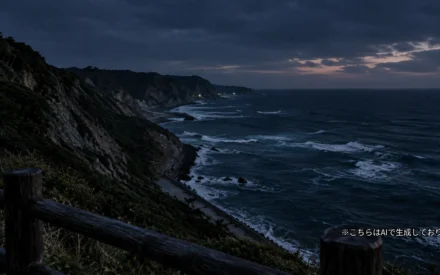
Much of the coastline is an intricate ria coast, while the Boso Hills spread across the inland northwest. This article introduces the city’s sights in order of latitude, from north to south. The route runs from a morning market in the port town to a cape shrine, castle ruins, a marine park and a scenic cape, heading southwest along the bay.
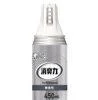
An unscented, commercial-grade, large-capacity deodorizing spray — use it on the drive home or at your own front door to deal with the mold, dust, and animal-waste smells that cling to your clothes and camera bag after a ruin or haunted-spot visit.
ST Shoshuriki Deodorizing Wide Spray, Unscented, Commercial Use 450ml
We may earn a referral fee on purchases made through these links.
1. Katsuura Morning Market (勝浦朝市)
The Katsuura Morning Market is held in the center of Katsuura and is counted, alongside the Wajima Morning Market (Ishikawa Prefecture) and the Miyagawa Morning Market (Gifu Prefecture), as one of Japan’s Three Great Morning Markets. Tradition says it began in 1591, when Uemura Yasutada, then lord of Katsuura Castle, opened it as a place to exchange farm produce and marine products.
The market’s streets swap locations between the first and second halves of each month. On sale are fresh fish landed at the local port, dried fish and other processed seafood, along with vegetables grown by local farmers and mountain produce. The same stallholders sometimes appear at nearby morning markets as well, so the markets of the Sotobo coast are loosely linked to one another.
Katsuura was a poor village until the early Edo period, and it is remarkable that a place that supported people’s daily lives as the town grew into a relay point for sea and land transport is still going today. The days and locations of the market can change, so please check the city’s tourist information before you go.
2. Totomisaki Shrine (遠見岬神社)
Totomisaki Shrine stands in Hamakatsuura, Katsuura, and enshrines Amenotomi-no-Mikoto, the deity said to have opened up the Boso Peninsula. According to tradition, Amenotomi led people who crossed from Awa Province to Boso on the Kuroshio Current. His descendants are said to have built a shrine building on the site of his residence on an island off Hachimanmisaki, which became the start of this shrine.
Tradition says that the Great Tsunami of 1601 destroyed the shrine building on the island at the tip of the cape and swept away many of its treasures. The wrecked building and the sacred object (goshintai) are said to have drifted ashore, and a new shrine building was erected where they landed. In 1659 the local lord is said to have chosen the present site by divination, and the current building dates from an 1849 reconstruction. The island that once held the shrine also sank into the sea in the great earthquake of 1703, and only a part of it remains today as Hirashima.
Every year around the Hinamatsuri (Doll Festival) season, many hina dolls are displayed along the long stone stairway. One theory holds that the name Katsuura comes from the Imibe clan of “Katsura,” from whom the shrine’s name is also said to derive. This is a living shrine, so when you visit, please be quiet, follow the customary etiquette of purifying at the water basin and bowing twice, clapping twice and bowing once, and be mindful of the faith of the local community.
3. Katsuura Castle Ruins / Hachimanmisaki Park (勝浦城跡・八幡岬公園)
Katsuura Castle was a sea castle built on a steep cliff jutting out to the southeast of Katsuura Bay, and the site is now maintained as Hachimanmisaki Park. How the castle came to be built is not clear. One theory holds that in 1521 a branch of the Kazusa Takeda clan built it as a satellite castle to stop the Satomi clan of Awa from advancing north.
In the Sengoku period, the Masaki clan, vassals of the Satomi, became lords of the castle, and it is said to have been fought over repeatedly with the Later Hojo clan. Masaki Yoritada is also said to have lost the castle for a time when it was attacked amid a family feud, and from this came the legend of “Oman’s Bleached Cloth” (Oman no Nunosarashi). Oman was Yoritada’s daughter, who later became a concubine of Tokugawa Ieyasu.
In 1590, after Toyotomi Hideyoshi’s Odawara campaign, the castle fell to an attack by Honda Tadakatsu of the Tokugawa side and was abandoned. The Uemura clan, retainers of the Tokugawa, then entered the area and laid out the town, and this is said to be the foundation of today’s Katsuura urban area. From the clifftop you can take in the sweep of the bay and the Pacific Ocean. Please watch your step at the edge of the cliff.
4. Katsuura Marine Park (勝浦海中公園)
Katsuura Marine Park is a marine park straddling the waters of Yoshio and Uhara in Katsuura, located within Minami-Boso Quasi-National Park. In 1974 it was designated the 40th marine park in Japan. The surrounding coast is an intricate ria shoreline, and sea urchins, abalone and other creatures live on its rocky shores.
At the heart of the park is the underwater observation tower. Opened in 1980, the tower is about 24 meters tall; it is said to have been built at a shipyard in Kanagawa and towed for about 16 hours to be installed off Katsuura. Windows line the lowest floor, where you can observe conditions beneath the sea, and from the observation deck at the top you can look out over the Pacific.
The park also has the Umi no Hakubutsukan (Marine Museum), a branch of the Chiba Prefectural Central Museum, which exhibits the results of surveys and research on the creatures living in the surrounding sea. The view under the water changes with the weather. Please check official information about whether facilities are available and open.
5. Uhara Risokyo (鵜原理想郷)
Uhara Risokyo (“Uhara Utopia”) is a scenic coastal area around Myojinmisaki in Uhara, Katsuura. A succession of rugged ria capes, it is included within Minami-Boso Quasi-National Park. The name “Risokyo” (utopia) is said to derive from a plan in the early Taisho era to turn this scenic land into a villa development.
From an entrance about a ten-minute walk from Uhara Station, a hiking course of about 2,300 meters runs around the cape. Named scenic spots line the route, including Tawayamedaira, Kedomisaki, Hakuho Misaki and Tasogare no Oka (Twilight Hill). Yabu camellias, Kanhizakura cherries and mountain lilies bloom with the seasons, and Uhara Beach has been selected as one of Japan’s 100 Best Beaches (Nihon no Nagisa Hyakusen).
Many writers loved this place. Yosano Akiko is said to have stayed here in the spring of 1936 and composed 76 poems, and the coast’s appearance is also reflected in a short story by Mishima Yukio. The cape path runs close to cliffs, with poor footing in places. Please watch the waves and weather, and do not stray from the designated path.
Local Specialties: Food and Drink
Katsuura means bonito. In 1990 Katsuura Fishing Port recorded the largest bonito landings in Japan, and it is still the largest among Kanto fishing ports. Every year in early summer, events themed on bonito are held.
Among local flavors, “Katsuura Tantanmen” is well known, noted for the savory depth of chili oil and onion, and its name spread nationwide through community revitalization efforts. Farm products include Koshihikari rice from Ueno (“Ueno-mai”), blueberries, kiwi fruit and shiitake mushrooms. Business details change easily from shop to shop, so please check the latest information before you go.
Rare Wildlife and Nature
Katsuura’s nature divides into the intricate ria coast and the inland Boso Hills. In the northwest of the city, hills of roughly 150 to 250 meters above sea level spread out, with a highest point of 268 meters. The coast has many rocky areas, and in some places the tidal currents change easily.
Traces of Jomon-period life have also been found along the Isumi River, and records survive of abalone being sent from Okitsu to the capital at Nara. The bounty of the sea has been this land’s treasure since ancient times.
Other Notable Things About This Town
Until the early Edo period, Katsuura was described as a lonely village. From the end of the Sengoku period into the early Edo period, it was developed as a hub for collecting and shipping goods such as rice, and as a relay point for Pacific sea transport. The Okitsu district became shogunate land and flourished as an important port linking Edo and the Tohoku region.
During the Boshin War at the end of the shogunate, a Kumamoto domain ship sailing from Yokohama to Hakodate as reinforcement for the new government forces was caught in a storm off Katsuura and sank, with about 130 lives lost. Local residents took part in the rescue, and a mound is said to have been raised to mourn those who died. There was also once a large amusement facility in the city, Ikigawa Island, known for its flamingo show, but it has closed. The shadows of changing times remain even in this seaside town.
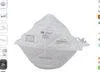
For dust or asbestos concerns at a ruin-type spot.
3M V-Flex Dust Mask 9105J-DS2, Regular Size, 20-Pack, Nationally Certified
We may earn a referral fee on purchases made through these links.
The Night Side: Ghost Stories and Haunted Spots of This Town
So far we have walked through Katsuura’s daytime face: a morning market of 400 years, an old shrine said to have sunk into the sea, a castle built on a sheer cliff, and a cape that drew writers. Every one of these places carries layers of time in which people faced the sea, prayed, fought and at times paid a great price.
In this site’s view, a ghost story is a kind of shadow cast on people’s hearts by the memory of a place. We will not name any particular spot here as the setting of a ghost story, but the more you learn of the history, the deeper your respect for quiet places grows.
At KARASU CHANNEL we record true ghost stories and haunted spots not so that people will go there, but so that they are remembered. Having come to know the daytime scenery, we hope you will also read the stories of the night.
Before You Go
Opening hours, fees, closing days and access change often, so they are not listed in this article. Before you set out, please check the latest information on each facility’s or local government’s official site. Some places may be restricted because of weather or disaster.
Frequently Asked Questions
Q. In what order should I visit Katsuura’s sights?
A. This article introduces them from north to south. It is easier to get around if you group the downtown sights (the Katsuura Morning Market, Totomisaki Shrine and the Katsuura Castle ruins) together, and visit the Marine Park and Uhara Risokyo on another day or in the afternoon. Please check official transport guides for how to get around.
Q. When is the Katsuura Morning Market held?
A. The market’s days and locations are set to swap between the first and second halves of each month, and may change. Please check the city’s tourist information before you go.
Q. What is Katsuura famous for?
A. Bonito and Katsuura Tantanmen are well known. Farm products include Ueno rice, blueberries and kiwi fruit. Details change easily from shop to shop, so please check the latest information before you go.
Official sites and references consulted
https://ja.wikipedia.org/wiki/勝浦市
https://ja.wikipedia.org/wiki/勝浦朝市
https://ja.wikipedia.org/wiki/遠見岬神社
https://ja.wikipedia.org/wiki/勝浦城
https://ja.wikipedia.org/wiki/勝浦海中公園
https://ja.wikipedia.org/wiki/鵜原理想郷
https://ja.wikipedia.org/wiki/行川アイランド

Supervised by Suzuking.
Affiliation: KARASU CHANNEL
Occult & horror reporting: 7 years (since 2020)
Followers: YouTube 5,000+ / X 25,000+
On-site investigations: 30+
Haunted locations near this town
Besides its daytime face, this land has a night side too. Read it as a record if you are curious. Some of these places are not safe or permitted to enter.