▲ Leans unlucky (a warning) Traditionally a warning — read it as pointing to what to watch, not as doom
The power to deliver feelings. Sticking a stamp means wishes arrive; too little postage warns of missing preparation.
Category: Objects (how to read this category)
Psychology
A stamp is a small pass that carries a letter far. It stands for what your feelings need to reach someone. Too little postage means you sense something missing; collecting stamps shows care for small memories.
Folklore and history
Japan's modern postal system began in the Meiji era, and stamps came to link distant family and lovers. A rare stamp in a dream hints at unexpected luck; a postmarked one, a past bond resurfacing.

In mountain or forest locations, don't forget precautions against wildlife like bears. A bell with a silent switch won't get in the way mid-investigation.
ZAFIELD Silent-Switch Bear Bell
We may earn a referral fee on purchases made through these links.
This site's view
In this site's view, a stamp means someone you still want to reach. A peeled-off stamp hints at words you think you said but did not; a readable old postmark asks what you left unsaid back then.
Going deeper: our reading
A stamp is also a tiny picture that fits in your palm: flowers, birds or famous views inside a small square. The sender chooses a design with care, and the recipient notices it before opening the envelope. In this site's reading, stamp dreams tend to appear when your heart is drawn to the thoughtfulness that arrives before the words. Agonising over which stamp to use suggests caution about how your feelings will be received. A vivid design that stays with you may itself be the scene or season you long for. A letter returned for insufficient postage can mean the message you thought you sent needs a few more words. This is our speculation, but finding a drawer full of unused old stamps hints at unsent letters, unsaid words, piling up inside you.
What to do on waking
Send a short word to someone you have not contacted in a while. The first step can be as small as a stamp.
In this scene
- ◎Good Receiving or finding it: new strength or a chance arriving (good)
- ▲Warn Losing or breaking it: worry about what it stands for (warning)
- Old or dirty: a habit to review, or time to let go
- It felt good: the lucky reading gets stronger
- ▲Warn It felt frightening or painful: the warning reading gets stronger — rest first
- The same dream again and again: something your mind has not settled yet
Turning a bad dream
In Japan, people once tried to turn a worrying dream for the better: a baku charm under the pillow, telling the dream to a nandina bush, or reciting an old dream-turning poem. Read the column on dream trading and dream-turning
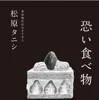
An essay collecting strange stories tied to food — an easy reference to introduce alongside our kaidan columns.
Scary Foods (Tanishi Matsubara / Futami Shobo)
We may earn a referral fee on purchases made through these links.
FAQ
Q. Is dreaming of a Postage Stamp a good or bad sign?
A. Traditionally a warning — read it as pointing to what to watch, not as doom. The power to deliver feelings. Sticking a stamp means wishes arrive; too little postage warns of missing preparation.
Q. Why do I keep dreaming of a Postage Stamp?
A. A recurring dream usually points to something your mind has not settled yet. Research suggests such dreams tend to stop once the underlying worry is resolved. Keeping a dream diary helps you notice what triggers it.
Q. What should I do after dreaming of a Postage Stamp?
A. Send a short word to someone you have not contacted in a while. The first step can be as small as a stamp.
Related dream essays
- True Dreams and Reverse Dreams: Why We Read Dreams Backwards
- Buying Dreams, Turning Dreams: A Japanese History of Dream Trading and Dream Charms
Read this dream with your own scene in the Dream Dictionary →
More dreams in "Objects"
- A Zipper
- A Ruler
- An Eraser
- A Fountain Pen
- Ink
- An Envelope
- A Postcard
- A Diary
- A Planner
- A Drawing Compass
- A Compass (Navigation)
- A Telescope
※ Dream interpretation here is entertainment drawing on psychology and folklore — it is not scientifically proven. "This site's view" is our own interpretation.
